
The 2026 China-Chile Human Rights Seminar, jointly hosted by China Foundation for Human Rights Development (CFHRD), the Institute of Latin American Studies of the Chinese Academy of Social Sciences (CASS), and the University of Chile, was held in Santiago, the Chilean capital, on November 4. Under the theme “Exchanges, Mutual Learning and Shared Development between China and Chile: Commemorating the 40th Anniversary of the Adoption of the Declaration on the Right to Development,” the seminar brought together around 60 participants, including experts and scholars, as well as representatives of social organizations and businesses from both countries. They engaged in discussions on topics such as China and Chile's approaches to and practices in realizing the right to development, practical cooperation, and the sharing of development opportunities.
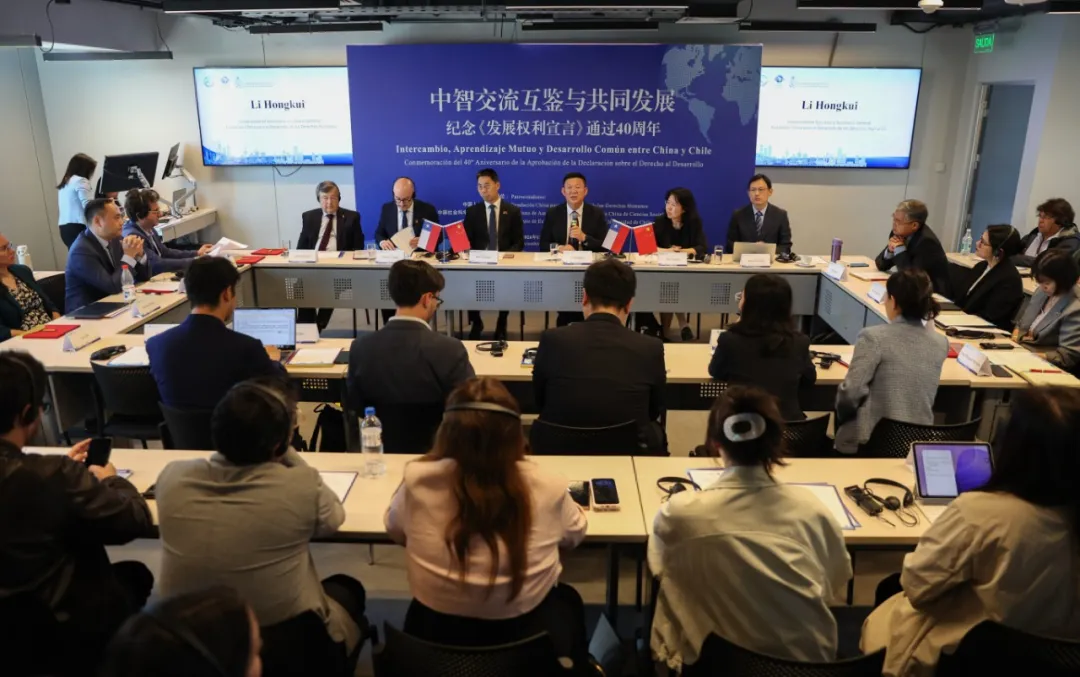
Li Hongkui, vice president and secretary-general of CFHRD; Niu Qingbao, Chinese Ambassador to Chile; Yue Yunxia, deputy director of the Institute of Latin American Studies at CASS; Federico Rojas, dean of the Institute of International Relations at the University of Chile; and Andres Borquez, director of international relations at the University of Chile, delivered remarks at the seminar. Carlos Olguín, a former Chilean ambassador, moderated several sessions.
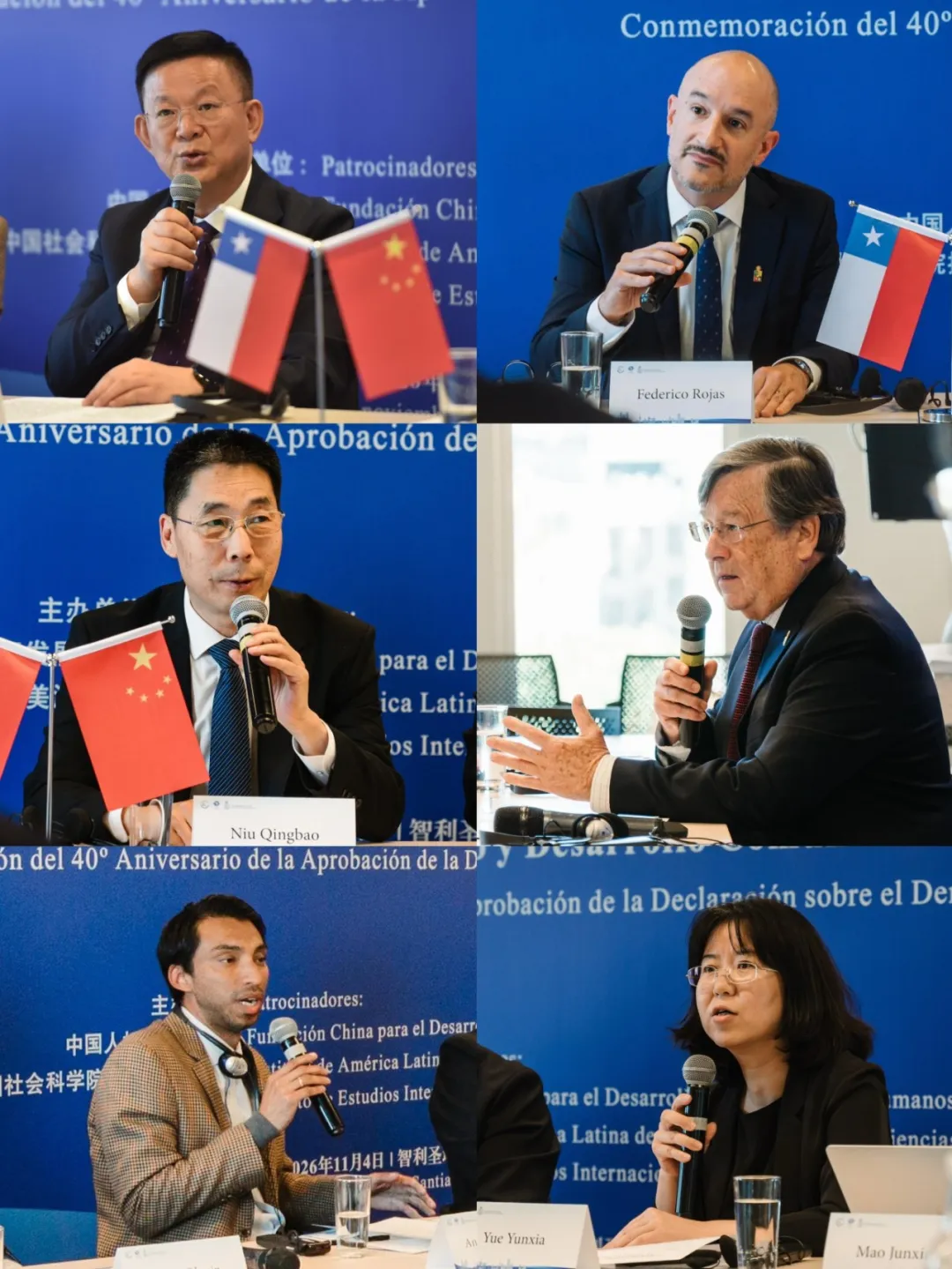
Li Hongkui said that development is an enduring theme of human society and is essential to ensuring people's well-being. 40 years ago, the United Nations General Assembly adopted the Declaration on the Right to Development, affirming that the right to development is an inalienable human right and playing an important role in advancing human progress and social development. China attaches great importance to respecting and protecting human rights, upholding the principles of promoting human rights through development and advancing human rights through cooperation. It has formulated and implemented five consecutive national human rights action plans and promoted more comprehensive human rights protection through high-quality development. As important members of the Global South, China and Chile share broad common ground and similar aspirations on development issues. Strengthening exchanges and mutual learning and deepening practical cooperation between the two countries will help them better share development opportunities, improve people's livelihoods and well-being, promote shared development, and enhance the protection of human rights in both countries.
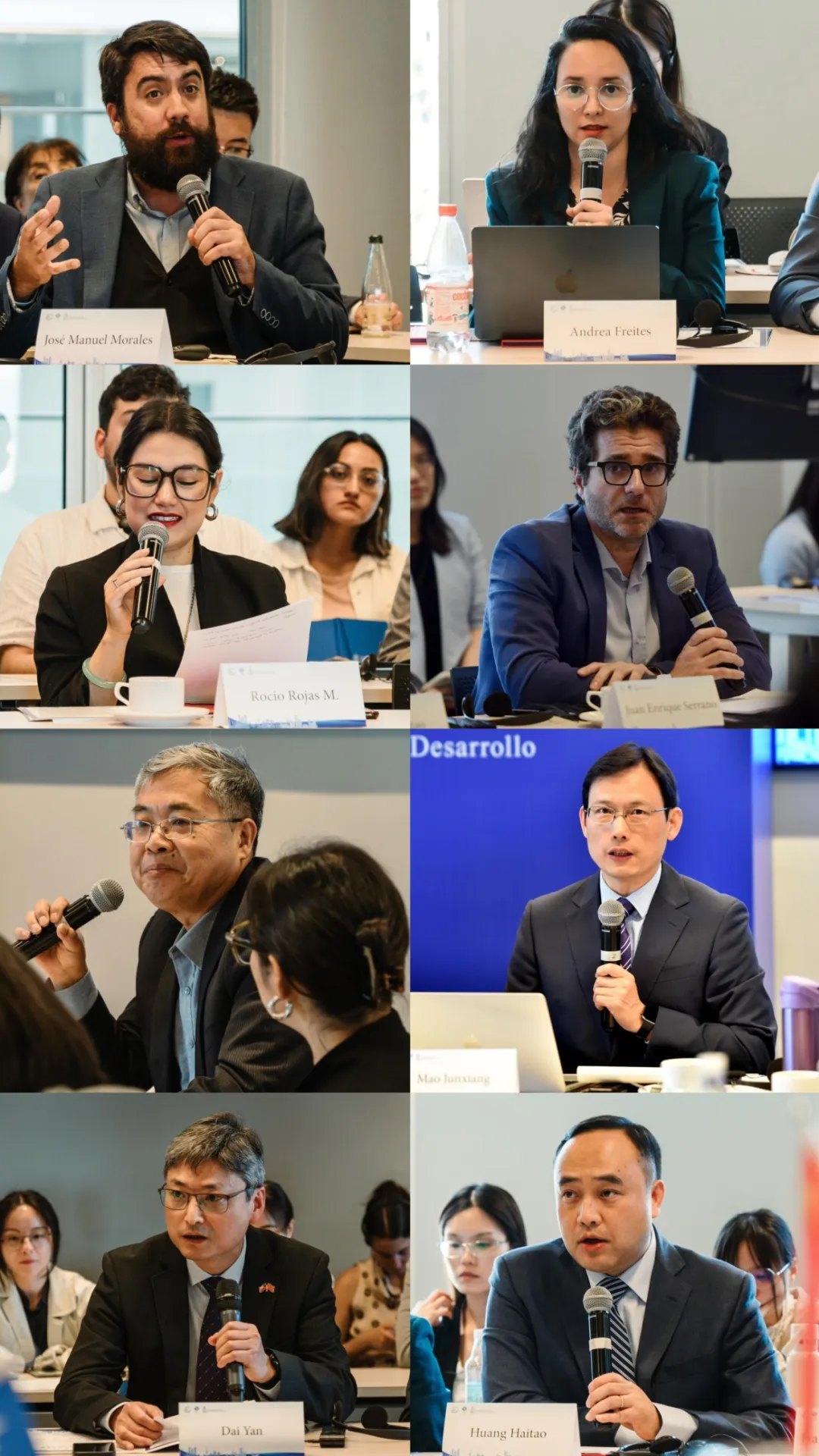
During the discussion sessions, presentations were delivered by Mao Junxiang, executive director of the Human Rights Research Center at Zhongnan University; Huang Haitao, deputy director of the Human Rights Research Center at Nankai University; Xie Wenze, research fellow, Lu Siheng, associate research fellow, and Lin Bo, assistant research fellow, all from the Institute of Latin American Studies at the Chinese Academy of Social Sciences; Juan Enrique Serrano, professor at the Institute of International Relations at the University of Chile; Andrea Fretes, a scholar of international politics at the Pontifical Catholic University of Chile; José Manuel Morales, a scholar of comparative education at the University of Chile; Rocío Rojas M., a doctoral student at the Pontifical Catholic University of Chile; and Dai Yan, general manager of State Grid Chile and chairman of the board of CGE.
Participants noted that, in the face of challenges confronting countries in the Global South in terms of economic growth and social development, China's development experience offers valuable lessons for Latin American countries, particularly Chile. They called on both sides to strengthen exchanges and mutual learning, deepen practical cooperation in areas such as digital technology, industrial upgrading and green energy, promote shared development through mutual benefit and win-win cooperation, and work together to explore a “Global South approach” to global human rights governance.
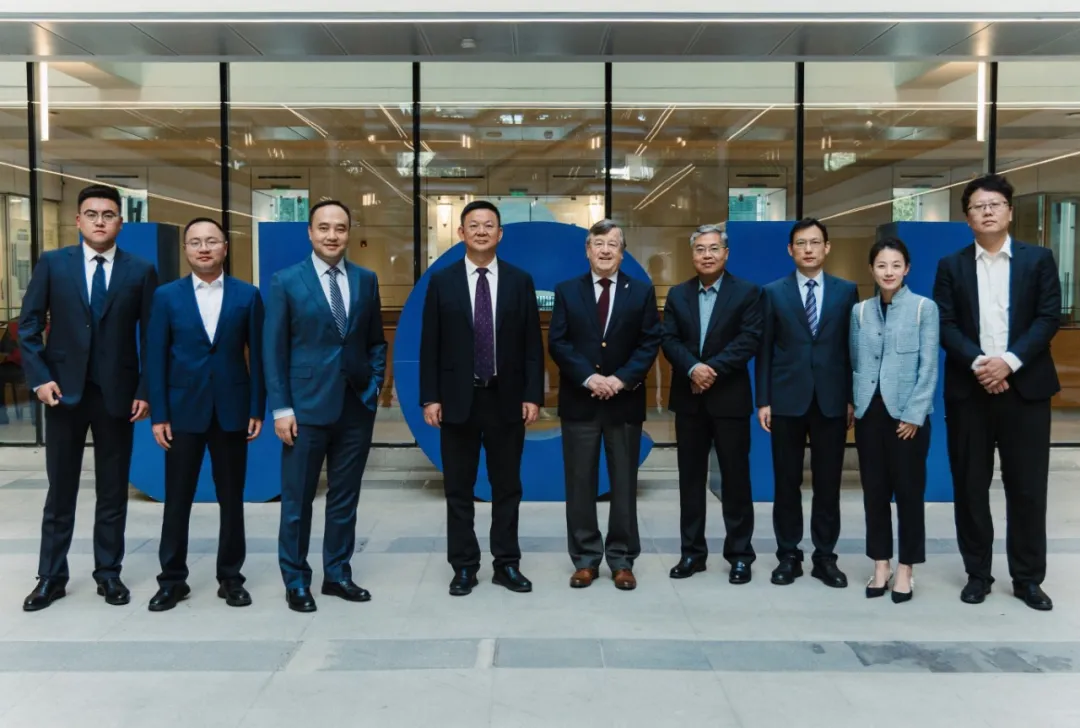
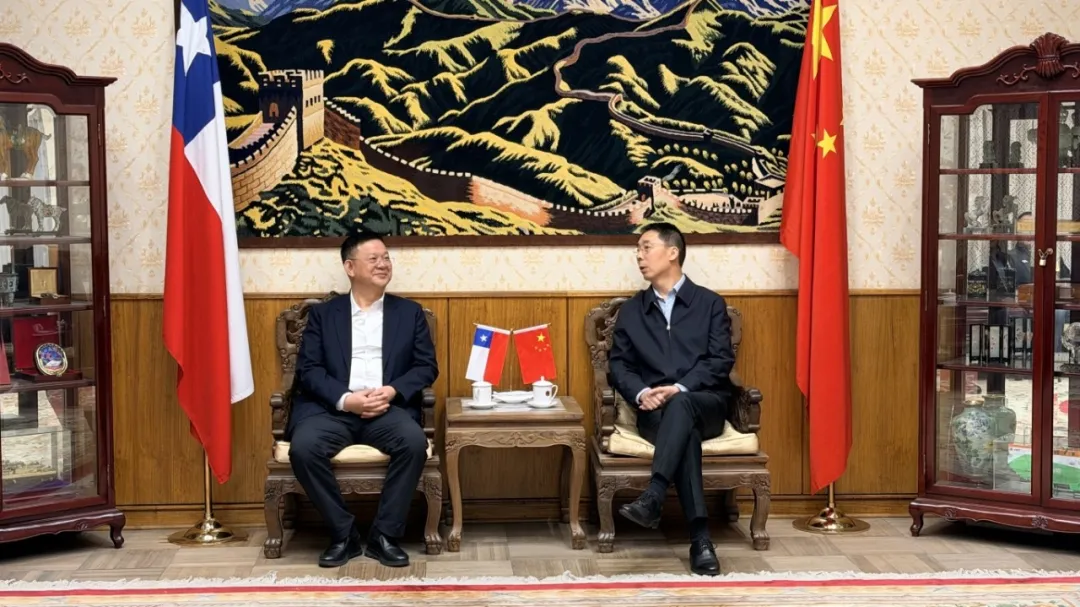
During their visit to Chile, the delegation from CFHRD also held discussions with experts and scholars from the University of Chile and other Chilean academic institutions, and visited the Chinese Embassy in Chile for exchanges.